 GrainZap Team
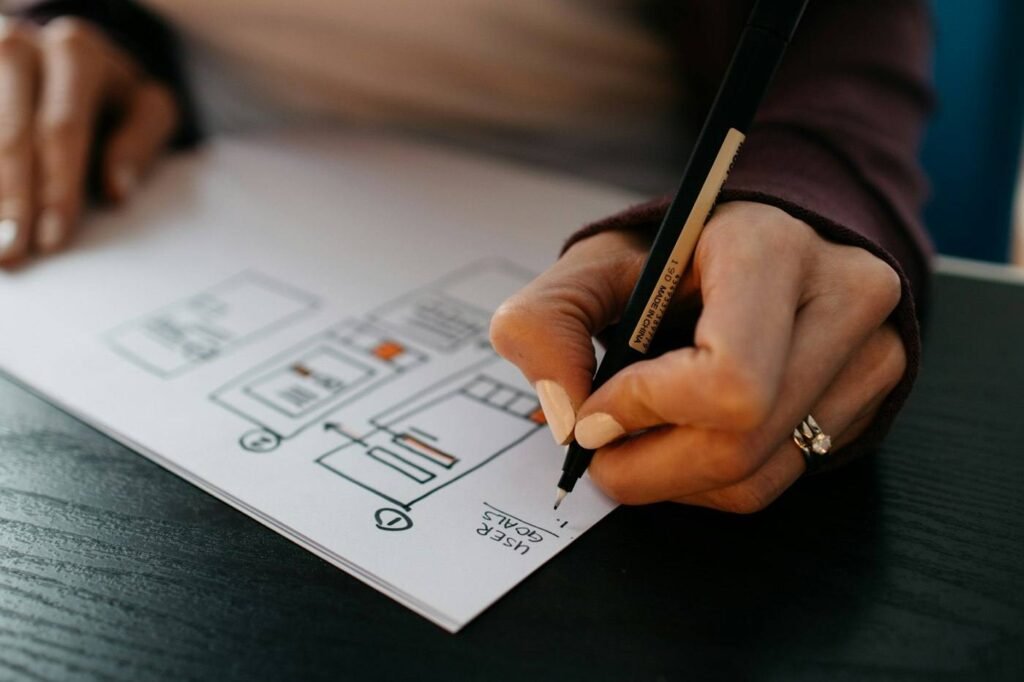
Many people skip hackathons because they think they need to code. Today, hackathons without coding are common. Today many hackathons accept research, business cases, process improvements, design prototypes and validated business ideas, alongside working software.
Key takeaways
- You do not need to code to compete in many modern hackathons.
- Research, process maps, business cases and Figma prototypes are valid submissions.
- Evidence and a clear story are where non-programmers win.
If you are a designer, analyst, marketer, consultant or founder, here is how to take part and stand out.
Why hackathons need non-programmers
A solution that nobody understands, wants or can afford rarely wins. Judges care about the problem, the user, the feasibility and the story. Those are exactly the areas where non-technical skills matter most:
- Designers make the solution easy to understand and use.
- Analysts prove the problem is real and size the impact.
- Marketers and founders explain who will pay and why.
- Researchers bring evidence instead of assumptions.
What to submit in hackathons without coding
Design and user experience
- User research summaries and personas
- User journeys and service blueprints
- Wireframes and clickable Figma prototypes
Business and process innovation
- Process maps showing the current and improved way
- Requirement documents for a new tool
- Feasibility studies with costs and risks
Startup and business ideas
- A business model and pricing approach
- Customer interviews and validation notes
- A go-to-market plan and an MVP proposal
Social impact
- A solution proposal backed by research
- A pilot plan with partners and success measures
No-code tools that help you build
You can still show something working without writing code:
- Figma or similar tools for clickable prototypes
- Form builders and spreadsheets for simple data flows
- No-code website builders for landing pages
- Automation tools that connect apps with simple rules
Keep it honest: show what is working and what is mocked up. Judges respect clarity.
How non-programmers can win
- Pick a track that rewards your strengths. Design, business and social impact tracks judge different things from technology tracks.
- Talk to real users. Even three short conversations make your submission far stronger.
- Use evidence. Replace “people want this” with what you heard or measured.
- Make it visual. A clear journey map or prototype beats a wall of text.
- Tell a story. Problem, user, solution, proof, next step.
See what judges score in how to win a hackathon.
Joining a mixed team
If a team needs a builder, you bring the user, the business case and the pitch. Agree early on who owns what, and make sure the final submission connects all the parts into one story.
A hackathon where no coding is required
The GrainZap Global Innovation Challenge was designed for mixed skills. Four of its five tracks focus on business, design, startups and social impact, and submissions can be research-backed proposals, business cases, design concepts or prototypes. You can enter solo or in a team of 2–4.
Further reading: Figma, a free tool for clickable prototypes.
Frequently asked questions
Can I win a hackathon without coding?
Yes, in hackathons whose tracks and judging criteria accept non-code submissions. Always read the rules.
What should a non-technical person bring to a hackathon team?
User understanding, research, a clear business case, design and a strong presentation.
Is a Figma prototype enough for a hackathon submission?
For design-focused tracks it often is, especially when backed by user research and a clear explanation.